October 1, 1988: Steffi Graf Achieves the Golden Slam
Steffi Graf, born in Germany in 1969, became the youngest WTA ranked player at 13 in 1982. After a demonstration event win at the 1984 Los Angeles Olympics, her game and results steadily improved. She reached the 1985 US Open semi-final, losing to world No. 1 Martina Navratilova. Graf claimed her first WTA title in 1986 and again reached the US Open semi-final. Under her father Peter Graf's guidance, 1987 marked her breakthrough, winning her first Grand Slam at Roland-Garros against Navratilova, and finishing runner-up to Navratilova at Wimbledon and the US Open.
On August 17, 1987, Graf took the WTA No. 1 ranking from Navratilova. She began 1988 by winning the Australian Open against Chris Evert and triumphed at Roland-Garros in June, defeating Natasha Zvereva in a record 6-0, 6-0 Grand Slam final. After beating Navratilova in the Wimbledon final (5-7, 6-2, 6-1), Graf dominated the tour. At the US Open, she defeated Gabriela Sabatini 6-3, 3-6, 6-1 in the final, completing the first calendar-year Grand Slam since 1970.
Gabriela Sabatini, born in Argentina in 1970, was a young sensation, reaching the 1985 Roland-Garros semi-final. She established herself in the top 10 with her distinctive one-handed backhand. Sabatini reached Wimbledon semi-finals in 1986 and the French Open semi-finals in 1987 and 1988, losing to Graf both times. She won eight titles, including Boca Raton in 1988, where she was the only player to defeat Graf that year (2-6, 6-3, 6-1). Before the US Open, she won in Montreal and finished runner-up to Graf in New York.
The Seoul Olympic Park Tennis Center hosted the tennis events. Tennis returned to the Olympics in Seoul after a 64-year absence, marking a significant shift towards professionalism. The IOC's decision in 1987 to include tennis signaled the official end of amateurism in the sport.
At the 1988 Olympic Games, Steffi Graf was the clear favorite. Despite winning the US Open just 10 days prior, she felt fatigued, telling The New York Times, "I came here really tired. I was not expecting too much of myself." Her form improved during the tournament, culminating in a dominant semi-final win against Zina Garrison (6-0, 6-2). In the final, she faced Sabatini, the only player to have beaten her in 1988. Graf was confident after her US Open victory over Sabatini.
Sabatini started strong, breaking Graf's serve to lead 3-2 in the first set. However, Graf quickly regained control, winning the set 6-3 with an ace. After splitting the first four games of the second set, Graf broke Sabatini's serve again. Graf noted, "I felt I would win after the fifth game of the second set. But I actually had a very good feeling after the first game of the match. I was liking the way I am playing." She secured the second set 6-3, completing her victory and a historic feat: the Golden Slam. This achievement, winning all four Grand Slams and the Olympic gold in one year, has not been replicated since. Graf expressed her excitement, stating, "It’s something not many people after me will achieve. It’s amazing."
Steffi Graf remained No. 1 until Monica Seles surpassed her in 1991. After Seles's stabbing in 1993, Graf regained the top spot, holding it for most of the time until 1997, setting a record 377 weeks as world No. 1. By winning the 1995 US Open, she became the only player to win each Grand Slam title at least four times. Retiring in 1999 after her last major title at Roland-Garros, she had won 22 Grand Slam tournaments.
Sabatini reached a career-high ranking of world No. 3 in 1989. She lost to Graf in the semi-finals of the 1989 Australian Open and US Open. In 1990, she defeated Graf in the US Open final for her sole Grand Slam title. She reached another Grand Slam final in 1991, again losing to Graf. Sabatini remained a top 10 player until 1995, reaching seven more Grand Slam semi-finals. Struggling with motivation, she retired at the end of the 1996 season.
Fresh materials — Tennis News
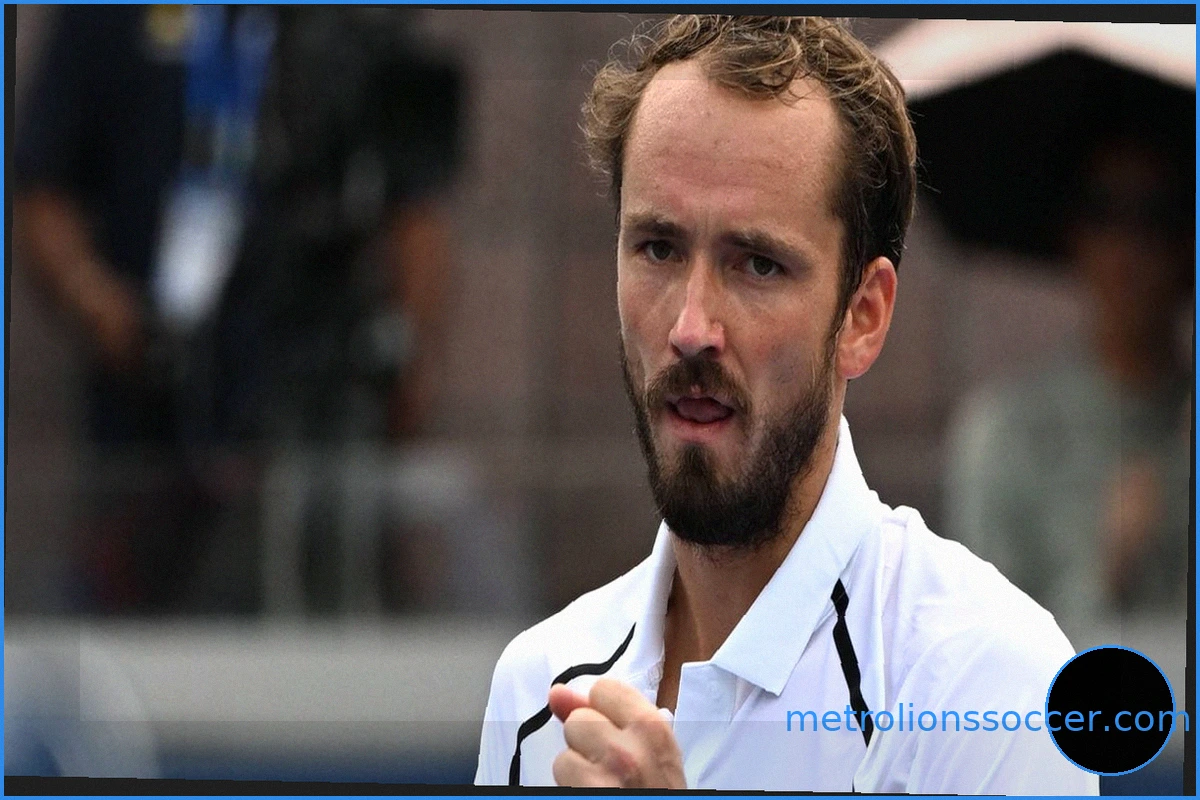
Medvedev Dominates Rublev in Hangzhou Final with Ace Barrage
Daniil Medvedev claimed the Hangzhou title, defeating Andrey Rublev. Medvedev's serve proved decisive, with 23 aces. He maintained a perfect record on his service games, saving both break points faced. His first-serve success rate stood at 85 percent, landing 70 percent of his first serves.
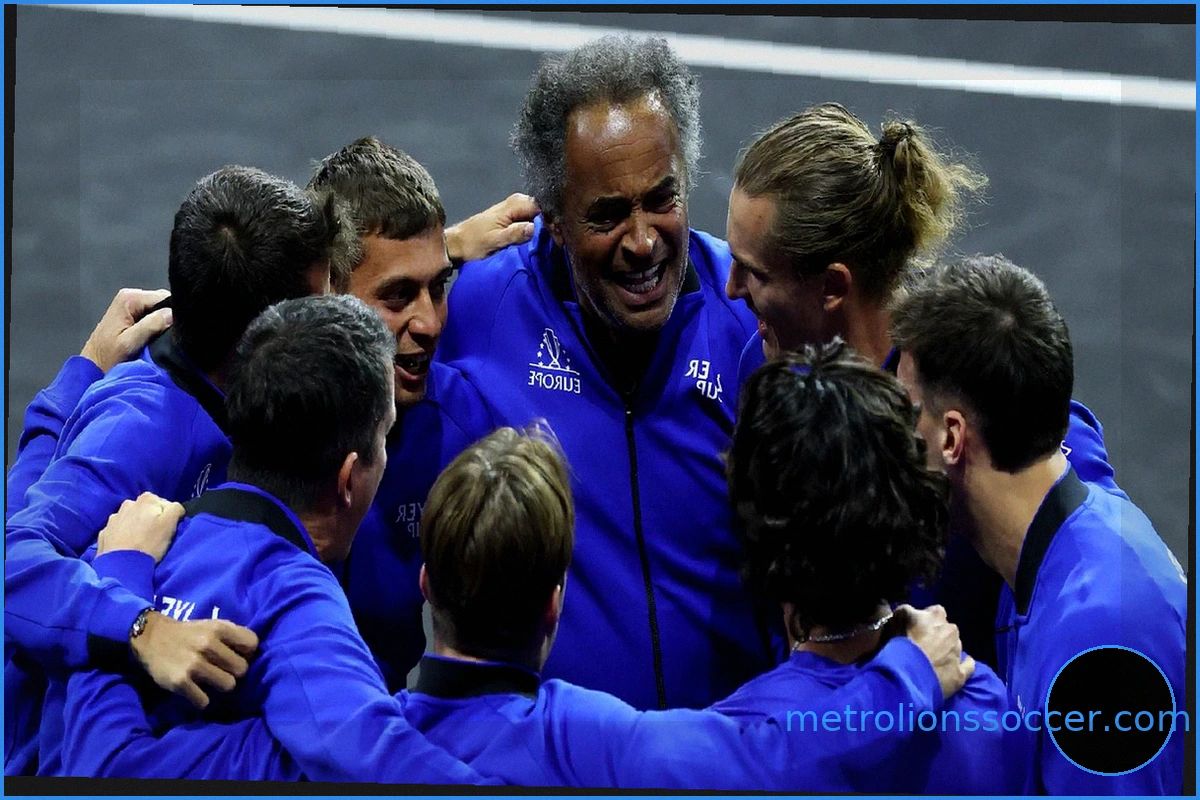
Zverev Seals Laver Cup Victory for Team Europe with Dominant 13-5 Win
Team Europe reclaimed the Laver Cup trophy, defeating Team World 13-5. Alexander Zverev clinched the win by beating Learner Tien 7-6 (3), 6-3 in the final singles match. The European squad, which had led 7-5 heading into Sunday, needed two wins from the day's four scheduled matches. They
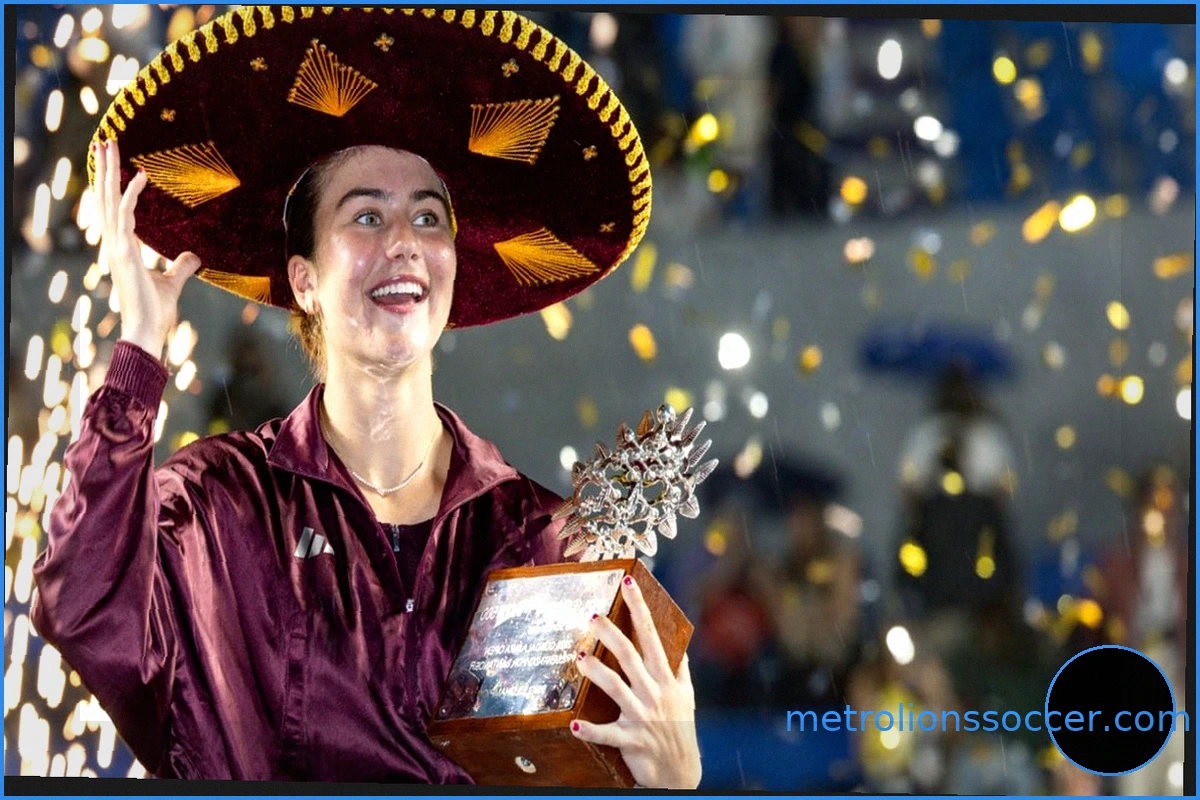
"I love it here": Jovic defends Guadalajara title, defeating Stearns 6-4, 6-2
Jovic, ranked 14th in the world at 18 years old, won the final in 1 hour and 26 minutes. She didn't face a single break point and served strongly, winning 70.2% of her service points compared to Stearns' 58.8%. Jovic also secured 41.2% of return points, outplaying Stearns' 29.8%, and won 61 of
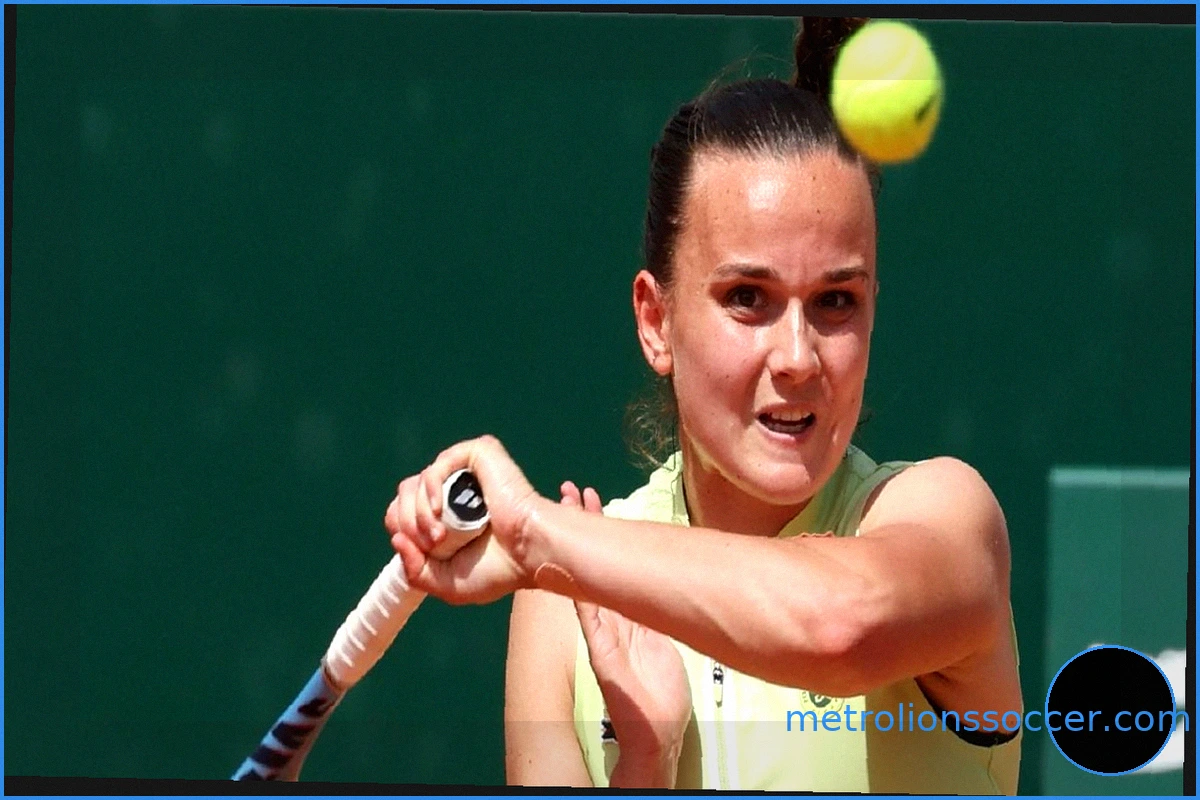
Burel's Comeback Victory in Valencia: First Title Since Knee Injury
Clara Burel recovered from a deficit in the first set to defeat Alicia Herrero Linana 4-6, 6-0, 6-2 on Sunday evening. This win secured the BBVA Open Internacional de Valencia trophy for the French player. It is Burel's first title of 2026 and the second WTA 125 crown of her career. Ranke
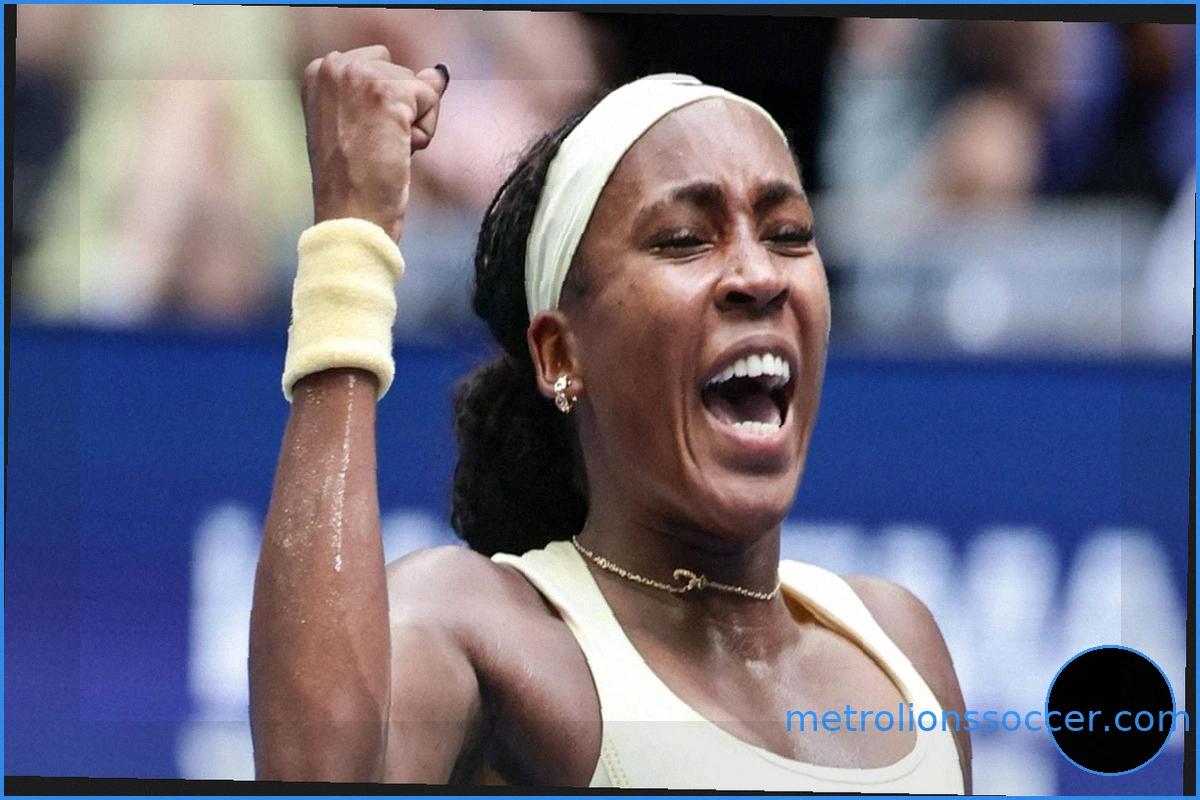
The Tiafoe Mode: Gauff Saves Two Match Points to Reach Her First US Open Semifinal Since the Title
Coco Gauff achieved her 11th consecutive win and 46th of the season, advancing to her seventh Grand Slam semifinal. Among active players, only Venus Williams (12) and Serena Williams (10) have reached more Grand Slam semifinals before turning 23. Gauff maintains a perfect 6-0 record against Mi
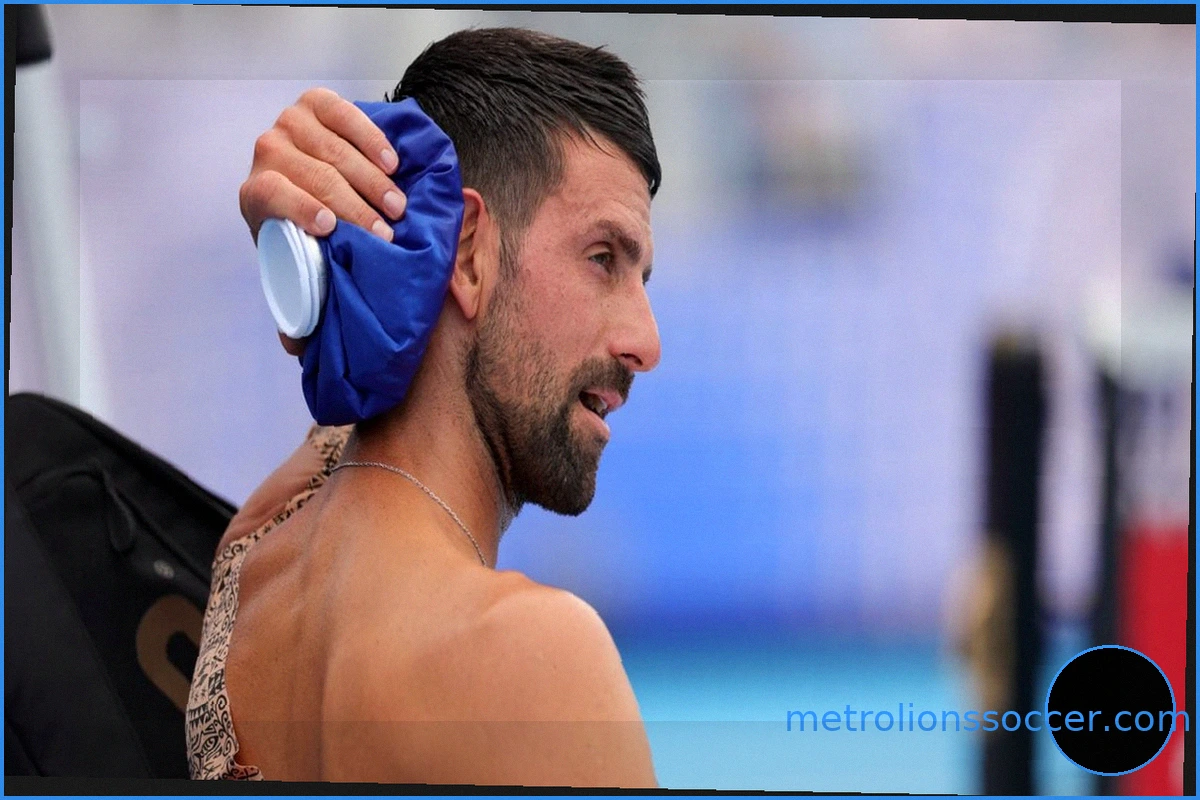
Djokovic Admits Long-Standing Health Problem Behind Cincinnati Exit, Hints This May Be His Last Visit
Speaking to Serbian media outlet Sportklub, Novak Djokovic expressed his dissatisfaction with his recent match. "First of all, congratulations to my opponent," he stated, then directly addressed his performance. "Honestly, this wasn’t a pleasant match for me at all, that’s how I felt.