At Medinah, the Presidents Cup Will Be Decided by More Than Talent
The key question for this Presidents Cup at Medinah isn't the United States' superior talent. History has often shown that.
Instead, it's whether the International Team can translate its growing sense of unity into the crucial moments that have consistently eluded them – those final putts, decisive holes, and matchups that turn a close contest into another predictable American victory.
International captain Geoff Ogilvy spoke with a sense of urgency, acknowledging both the opportunity and the immense pressure. The Internationals haven't won the Presidents Cup since 1998. Yet, he argued that recent lopsided scores don't tell the full story.
Ogilvy pointed out that in Montreal (2024), the International side actually won more holes. In Charlotte (2022), they hit more fairways and greens and outperformed the U.S. in ball-striking. The difference was narrow and painful: too many lost finishing holes in Montreal, strong American putting in Charlotte, and too few of the intangible elements that define team golf.
“That’s a really hard one to put your finger on,” Ogilvy admitted, a remarkably honest statement for a captain’s press conference.
The Presidents Cup challenges rational analysis. Data reveals form, statistics highlight strengths, and models suggest pairings. But none can fully capture the pressure of a player standing over a six-foot putt with teammates, captains, crowds, and expectations focused on a small patch of green.
This tension between data and instinct was evident in both captains' comments.
Ogilvy defended his selection of Christiaan Bezuidenhout, a choice that might seem unexpected given his world ranking or FedExCup standing. He described the South African as an analytical anomaly: a player whose strokes-gained metrics and skills position him among the International Team's best options, despite a season with few high-profile finishes.
Ogilvy went further, making a case that data alone can't convey. Bezuidenhout is a strong iron player, an excellent putter, an experienced Presidents Cup competitor, and, crucially, “a fantastic team guy in the team room.”
For those unfamiliar with team rooms, chemistry can seem secondary in golf's typically individual nature. However, Ogilvy's captaincy seems built on the idea that the International Team's greatest challenge—its geographic, cultural, and linguistic diversity—can be transformed into its greatest asset.
He credited Ernie Els' introduction of an International shield in 2019 as a key moment. This shield provided players from diverse backgrounds a shared identity beyond their national flags. Ogilvy noted that the group doesn't just gather every two years; it's an ongoing program, a larger family condensed for one week.
Consider the European Ryder Cup model, long admired for blending individual excellence with deep institutional memory of team competition. While the International Team cannot replicate that regional identity, it can build its own continuity, which Ogilvy believes it has achieved.
Now, the team needs to “crack the code on the golf course.”
Meanwhile, U.S. captain Steve Snedeker appeared to be managing an abundance of talent. He stated that his selection process considered up to 17 viable candidates, so many that leaving players off was less a reflection of their ability and more an unavoidable consequence of the 12-player limit.
His most notable selection was Jackson Koivun, a young player Snedeker described as having faced Scottie Scheffler on the back nine at the 3M and “not blinked.” Snedeker had previously said he wouldn't pick a player solely based on age. On Monday, he clarified that this was a strategic, competitive choice.
He has watched the 21-year-old Koivun play alongside him and consulted with coaches and others, concluding that the rookie deserves a spot.
Both captains suggest that team competition requires selecting individuals, not just résumés.
Snedeker repeatedly emphasized the phrase: “trust your gut.”
He cited this advice from past captains, including Jack Nicklaus, Paul Azinger, and Davis Love III. While statistics can narrow the options, they can't tell a leader whether a rookie will falter on the first tee, if a star player needs a specific partner, or if two players will genuinely embrace the pressure of alternate shot together.
The American team faces a challenge beyond simply assembling its best players. Snedeker must find a partner for Scheffler, whose individual dominance hasn't consistently translated to team play success. He needs to decide on pairing veterans with rookies and avoid assuming that individual brilliance automatically creates team chemistry.
Snedeker also showed more respect for Ogilvy's roster than typical pre-tournament talk suggests. He specifically mentioned potential International pairings, including Nick Taylor and Corey Conners, Ryo Hisatsune and Hideki Matsuyama, and Bezuidenhout's value as both a player and a teammate.
Medinah No. 3 adds another variable. Ogilvy knows the course as captain and from his involvement in its redesign. However, he conceded that there is no relevant ShotLink history for the revamped course, leaving both teams to make educated guesses.
This uncertainty might be exactly what the International Team needs.
The Americans arrive with greater depth, more star power, and the advantage of a winning history. The Internationals aim to end a long drought, bolstered by a stronger collective identity and a captain who maintains that the margins have been much tighter than recent outcomes indicate.
At Medinah, the Presidents Cup may come down to whether Ogilvy's team can capitalize on those narrow margins—and whether Snedeker's instincts can mold a wealth of talent into the right kind of team.
In English
By the time Geoff Ogilvy and Brandt Snedeker explained their Presidents Cup selections, the central question for the matches at Medinah was clear.
It’s not whether the United States has more top-tier talent. That question has been answered repeatedly throughout the event’s history.
The question is whether the International Team can convert its growing sense of identity into the handful of moments that have consistently eluded it – those final putts, closing holes, Saturday resets, and matchups that turn a close week into another familiar American celebration.
Ogilvy, the International captain, spoke with the urgency of someone who understands both the opportunity and the burden, given that the Internationals haven't won the Presidents Cup since 1998. Yet, he pushed back against the idea that recent lopsided final scores tell the whole story.
In Montreal (2024), Ogilvy said, the International side actually won more holes. In Charlotte (2022), they hit more fairways and greens and outperformed the United States in ball-striking metrics. The difference was narrower and crueler: too many lost finishing holes in Montreal, too much American putting in Charlotte, and too few of the intangible moments that decide team golf.
“That’s a really hard one to put your finger on,” Ogilvy said, a statement that might be the most honest ever spoken at a captain’s press conference.
The Presidents Cup is designed to frustrate rational analysis. Data can identify form. Statistics can highlight strengths and weaknesses. Models can recommend pairings. But none of it can fully capture what happens when a player stands over a six-foot putt with teammates, captains, crowds, and expectations all focused on a small patch of green.
That tension—between information and instinct—ran through both captains’ appearances.
Ogilvy defended the selection of Christiaan Bezuidenhout, a choice that might seem surprising given his official world ranking or FedExCup position. But he described the South African as an analytical outlier: a player whose strokes-gained numbers and skill place him among the International Team’s best options, despite a season with few top finishes that generate those coveted points.
Then Ogilvy made the case that data alone cannot. Bezuidenhout is a strong iron player, an excellent putter, an experienced Presidents Cup performer, and, crucially, “a fantastic team guy in the team room.”
It is easy for those who have never been in a team room to dismiss chemistry, especially since golf is usually an individual sport. Yet Ogilvy’s entire captaincy appears built on the premise that the International Team’s greatest weakness—its geographic, cultural, and linguistic diversity—can become its greatest strength.
He credited Ernie Els’ introduction of an International shield in 2019 as a pivotal moment. The shield gave players from Australia, South Korea, Japan, Canada, South Africa, and elsewhere a shared identity beyond their own national flags. According to Ogilvy, the group doesn’t just assemble every two years; it’s an ongoing program, a larger family narrowed to 12 players for one week.
Think of the European Ryder Cup model, long admired for combining individual excellence with a deep institutional memory of team competition. The International Team cannot replicate that regional identity. But it can create its own continuity, and Ogilvy believes it has.
Now it needs to “crack the code on the golf course.”
At the same time, Snedeker sounded like a captain assigned to manage an embarrassment of riches. He said his American selection process involved up to 17 viable candidates—enough depth that leaving players out was not so much a judgment of ability as an unavoidable consequence of being limited to 12.
His most revealing choice was Jackson Koivun, the young player Snedeker described as having stared down Scottie Scheffler on the back nine at the 3M and “not blinked.” Snedeker had said previously that he would not choose a player simply because he was young. On Monday, he made clear that this was not the case. It was a competitive pick.
He’s watched 21-year-old Koivun play with him, reached out to coaches and others, and come away convinced that the rookie belongs.
Both captains suggest that team competition forces them to choose people, not just résumés.
Snedeker repeatedly returned to one phrase: “trust your gut.”
He said he received this advice from past captains, including Jack Nicklaus, Paul Azinger, and Davis Love III. The numbers can narrow the process, but they cannot inform a leader whether a rookie will be overwhelmed at the first tee, whether a superstar needs a particular kind of playing partner, or whether two players will genuinely want to endure the pressure of alternate shot together.
The American task is more complicated than simply assembling its best players. Snedeker must find a partner for Scheffler, whose individual dominance has not translated as well to team-play success. He must decide whether to pair veterans with rookies. He has to turn strong friendships into functional pairings and avoid assuming that greatness automatically creates chemistry.
He also gave Ogilvy’s roster more respect than the usual pre-tournament chatter allows. Snedeker specifically cited possible International combinations, including Nick Taylor and Corey Conners, Ryo Hisatsune and Hideki Matsuyama, and Bezuidenhout’s value as a player and teammate.
Medinah No. 3 adds another layer. Ogilvy knows it as a captain and as someone intimately involved in its redesign. Yet even he conceded that there is no relevant ShotLink history for the new course, leaving both teams to make their best guesses.
That may be exactly what the International Team needs.
The Americans arrive with greater depth, more stars, and the weight of a winning history. The Internationals seek to end a long drought, with a sharper collective identity and a captain who insists the margins have been much tighter than recent outcomes.
At Medinah, the Presidents Cup may hinge on whether Ogilvy’s team can make those margins matter—and whether Snedeker’s instincts can turn a wealth of talent into the right kind of team.
Fresh materials — Golf News
PGA Tour 2028 Eligibility: A New Era for Professional Golf
```html PGA Tour 2028 Eligibility: A New Era for Professional Golf The PGA Tour is set to implement a restructured competitive format for 2028, featuring a two-series system designed to increase the significance of each tournament performance. This season-long stru

PGA Tour Reorients Leadership for Integrated Entertainment Model
The PGA Tour is shifting its focus. New leadership hires signal a move from managing a standard sports entity to operating a connected business across entertainment, media, and technology. Tyler Rutstein is now chief marketing officer, Mike Mahar is chief technology officer, and John Fizer
Betting's Potential to Enhance Golf's Appeal—With Player Protection as a Priority
Wyndham Clark's victory at this summer's U.S. Open marked a moment of player composure under significant major championship pressure. However, spectator behavior overshadowed the win, with heckling becoming a notable element of the tournament. This incident highlights the i
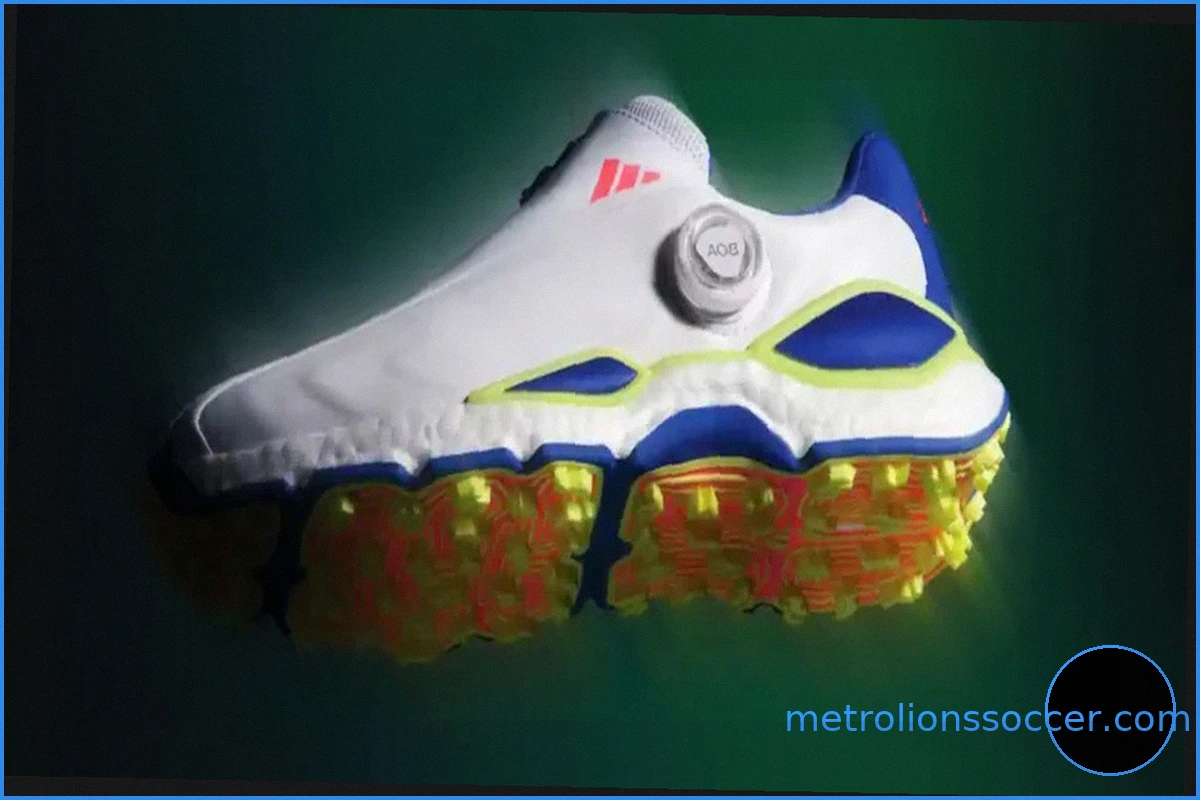
adidas CODECHAOS 27 BOA: The Next Evolution of Golf Footwear
In golf, where minute adjustments can lead to significant outcomes, a golfer's footwear acts as the crucial link between them and the ground. Recognizing this, advanced athletic design has moved beyond traditional laces to offer more customized support. A prime example of this progress is the a
Back-to-Back Masters Champion: Rory McIlroy's Determined Victory
Rory McIlroy demonstrated remarkable resilience in the final round of the Masters. Despite falling three shots behind the leaders, the Irishman maintained his resolve. He rallied with four birdies in a seven-hole span as his competitors faltered on the back nine at Augusta National Golf C
J.J. Spaun Claims Valero Texas Open Title
J.J. Spaun showcased his composure once again at TPC San Antonio, carding a final-round 67 to triumph at the Valero Texas Open by a single stroke. This victory marks his third PGA Tour title, adding to a remarkable streak that includes his significant breakthrough at the 2025 U.S. Open. Th